
A History Older Than the Town
Indigenous history in the Chapleau area reaches back far earlier than the railway town founded in the 1880s. Cree and Ojibwe families travelled, hunted, trapped and fished across the region for generations. Their lives were tied to rivers, lakes, forest animals and the yearly cycle of the seasons. Family knowledge showed where to find food, how to travel safely and when animals or fish would be found in certain places.
The region lies near a great watershed divide. Some waters flow north toward James Bay, while others flow toward the Great Lakes. That location helped connect Cree lands to the north with Ojibwe lands toward Lake Superior and Lake Huron. The boundaries were not simple lines on a map. Family ties, travel routes and shared use of the land often crossed wide areas.
Three Neighbouring First Nations
Three First Nations are located close to Chapleau. Chapleau Cree First Nation is based at Fox Lake, about five kilometres southwest of town. Its own community account says the earlier settlement stood on the Nebskwashi River, east of Chapleau. Many members lived in town for a time. In 1989, the First Nation reached an agreement with Canada, Ontario and the township for land where a permanent community could be built at Fox Lake.
Chapleau Ojibwe First Nation has long family ties to Ojibwe lands stretching toward Lake Superior and Lake Huron. Brunswick House First Nation is located east of Chapleau along Highway 101. Its families have roots in the old New Brunswick House trading area near Brunswick Lake and Missinaibi Lake. Each First Nation has its own story, lands, leaders and members. They should never be treated as one single group.
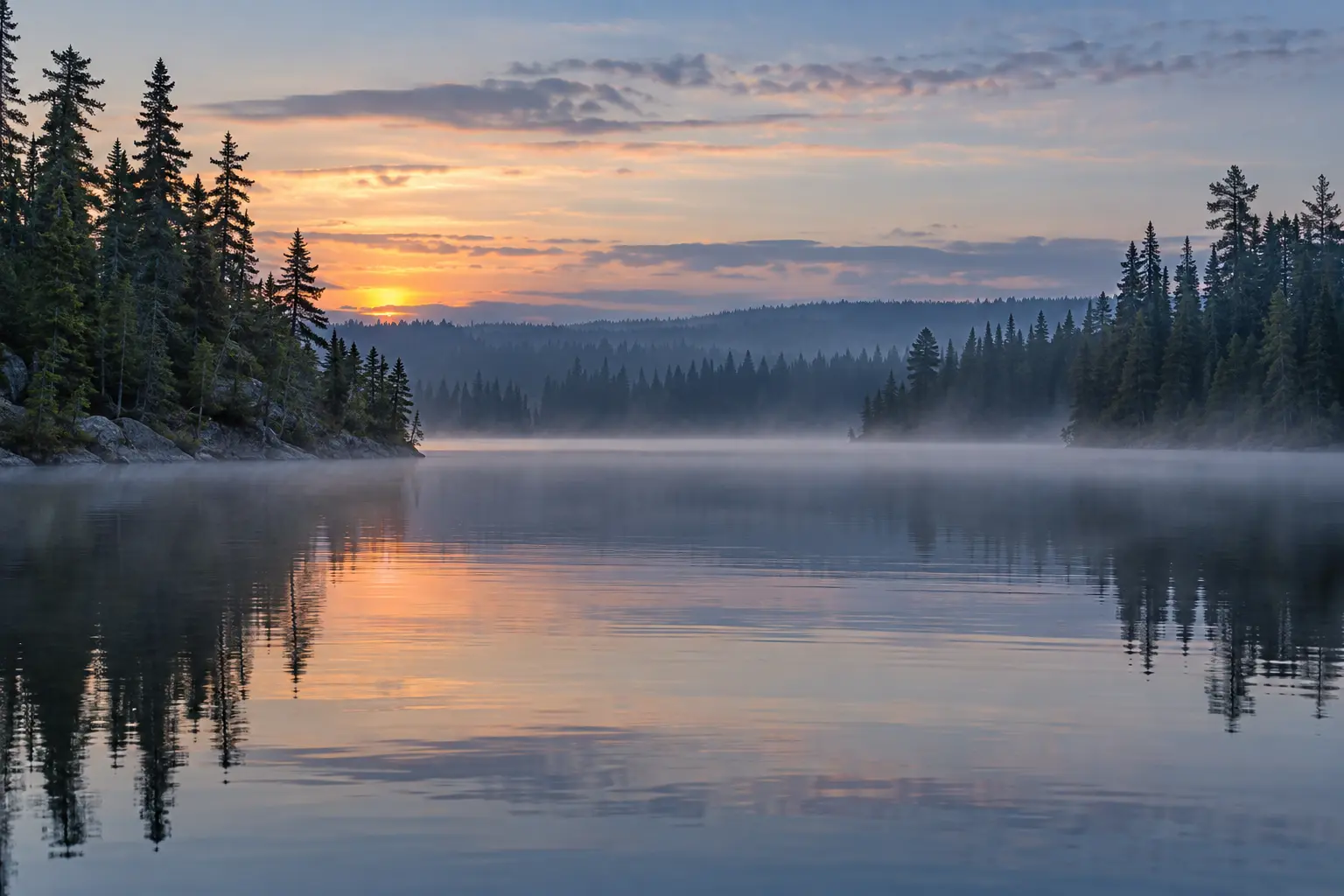
A community at Fox Lake
Treaties and Land
Treaties changed the legal and political life of Indigenous peoples across Northern Ontario. Treaty 9 was first signed in 1905 and 1906, with later additions. Chapleau Cree First Nation and Brunswick House First Nation are connected to Treaty 9. Chapleau Ojibwe history also reaches south and west into lands covered by the Robinson treaties of 1850. The treaty history around Chapleau is therefore layered and sometimes difficult.
A treaty was not simply a sale of land. First Nation people understood these agreements through their own laws, languages and duties to future generations. Government officials often wrote the terms from a very different point of view. That gap led to disputes over land, rights and promises. Any local history should leave room for First Nation accounts and oral history, not only written government records.
The Chapleau Cree Land Claim
In 2016, Canada, Ontario and Chapleau Cree First Nation marked the settlement of a Treaty Land Entitlement claim. The claim dealt with land that the First Nation should have received under Treaty 9 but did not. The settlement included about 21.5 million dollars from Canada, more than 350,000 dollars from Ontario and about 4,000 hectares of provincial Crown land. The First Nation could seek to have selected land added to its reserve.
The settlement addressed a promise left short for more than a century. It did not erase the loss or the long wait. It did give the First Nation more land and funds that could support housing, services and economic needs. This story shows why treaty history still matters. Decisions made many decades ago continue to affect land, family life and local government today.
A treaty land settlement
The Game Preserve and First Nation Rights
The Chapleau Crown Game Preserve was created in 1925. The preserve was meant to protect wildlife by stopping hunting and trapping within a very large area. Yet the land was already used by Indigenous families. Closing it caused hardship and cut people off from places where they had gathered food and earned income. Brunswick House families were hit hard because their reserve and hunting lands were tied closely to the preserve area.
This part of the past must be told honestly. Wildlife protection may sound fair when read as a government policy, but the rules did not affect everyone in the same way. Indigenous people faced limits on their own lands while outside governments made the decisions. Current talks about the preserve must include treaty rights, First Nation law and the knowledge held by community members.
Living Communities
The First Nations near Chapleau are living communities, not chapters that ended in the past. Members work in government, education, health, forestry, business and land care. Languages, ceremonies, family gatherings and land based teaching continue. Young people learn from Elders and from new programs created by their communities. Local economic groups also help First Nations take a stronger role in forestry and other resource work.
A respectful visitor or writer should use each First Nation's chosen name and look to its own website for current information. Some teachings are public and others are private. Permission matters when sharing stories, images, names or sacred knowledge. The best account of Chapleau begins by stating a plain fact. Indigenous peoples were here before the town, remain here now and will guide their own future.
Schools and Lost Language
Government and church school systems caused deep harm to Indigenous families across Canada. Children were often separated from parents, punished for speaking their languages and taught to feel shame about who they were. The effects did not end when a school closed. Loss of language, family knowledge and trust can pass from one generation to the next. The Chapleau area has its own ties to this wider history.
First Nations are leading their own work to heal and rebuild. Language teaching, land camps, ceremonies, records and family visits help young people learn what earlier systems tried to take away. Local non-Indigenous residents can support this work by listening, learning the history and respecting First Nation control over their own stories.
Whose history is being told?
The word ‘Indigenous’ describes many peoples; it does not replace a First Nation's own name. Chapleau Cree, Chapleau Ojibwe and Brunswick House have different histories and governments. Nearby Michipicoten and Missanabie Cree First Nations also have ties to this wider territory. Readers should go to each Nation's own website for its account of community life, current work and membership.
Treaty history is more than a date on a timeline. Questions about land, promises and access to resources still matter to living communities. Chapleau Cree First Nation's account of moving to Fox Lake, and the later settlement of an outstanding treaty land entitlement, show how decisions made many years ago continue to affect people now. The town's railway history should be read alongside those records, not as the start of the region's human story.
Local references: Chapleau Cree First Nation community information; Brunswick House First Nation.