
A Northern Trip Built Around Water and Woods
Lakes and forest stretch far past the streets of Chapleau. For many visitors, a fishing rod or a hunting trip is the reason to come. Some stay at a lodge with a boat close to the cabin. Others travel farther to a quiet lake or a remote outpost. Either way, the trip starts with a sound plan, the right gear and respect for the land.
This part of Northern Ontario has long been home to First Nations. Fishing and hunting here are tied to food, family knowledge and rights as well as visitor trips. Guests should follow local rules, care for the places they visit and listen to the people who know the area well.
Fishing Near Chapleau
The lakes around Chapleau can hold walleye, northern pike, smallmouth bass, whitefish and perch. Cold lakes and streams also offer brook trout. The fish in any one lake may differ from the next. A local lodge can tell you which waters fit the trip you want, whether that means a family day near the cabin or a long ride into the bush.
Moose Horn Lodge sits on McLennan Lake and offers access to other nearby waters. It asks guests to release walleye caught on its own lake and use barbless hooks there. Those are the lodge's rules for that lake; check the current provincial rules for every water you plan to fish. Fish limits, open seasons and bait rules can vary by place and year.
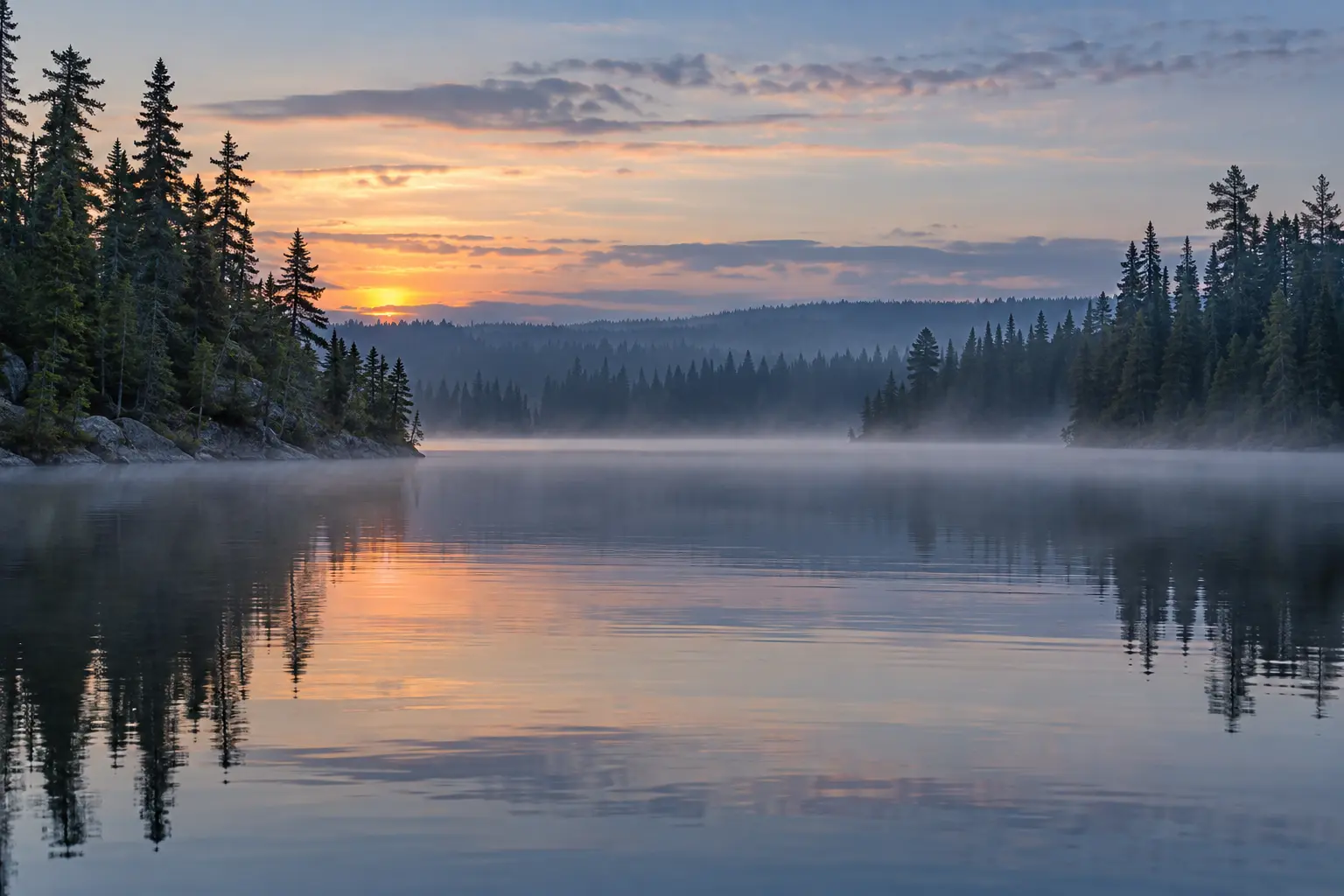
A protected wildlife area
Cabins, Boats and Outposts
A lodge can make a northern trip easier to plan. Ask what is supplied before you pack. One camp may have a boat and motor ready, while another may need you to bring more gear. Check the road to the camp too. A route that is simple in dry weather can be slower after rain or during spring melt.
Kanipahow Wilderness Resort offers cabins and outpost trips near Chapleau. Its outposts give guests a place to stay on more remote lakes. Moose Horn Lodge offers lakefront cottages and access to fishing in the region. Talk with the camp you choose about boat use, fuel, bedding, safety gear and the trip to your cabin.
Hunting in the Chapleau Region
The wider Chapleau region draws hunters for black bear, moose and grouse. Each kind of hunt has its own season, licence, tag rules and place limits. Before booking, confirm the wildlife management unit and the exact land where the hunt will take place. A local outfitter can help with travel plans, but hunters still need to know the current provincial rules.
Some trips use a cabin as a base for days in the bush. Ask about the kind of access, how far you will travel each day and which gear to bring. Think about weather, road conditions and how you will get help if plans change. A good trip includes time to prepare, not only time in the field.
Know the Game Preserve Boundary
The Chapleau Crown Game Preserve is a major part of the region, but it is not a public hunting area. Hunting and trapping are generally barred within its boundary; fishing is allowed, subject to fishing rules. The preserve was created in 1925. Its past also includes serious effects on Indigenous people who used the land for food and work.
A fishing camp near the preserve does not mean a nearby hunting area is open. Check the boundary before travelling with hunting gear and ask the outfitter to name the hunt location. The preserve remains a place to see wildlife, travel through northern country and learn more about the land.
Before You Leave Home
Check the latest Ontario fishing and hunting rules before your trip. Confirm your licence and any tag or other permit you need. If you cross the border, check rules for what you can bring into Canada, including bait, food and firearms. The rules and seasons can change, so last year's plan may not work this year.
Pack for cold mornings, wet weather and poor phone service. Carry a map and let someone know your route and return time. Put safety first on unfamiliar roads and water. Then take the time to enjoy what brought you here: long shorelines, quiet mornings and the chance to spend a few days in the North.
Plan for the exact place you visit
‘Near Chapleau’ covers many lakes and a great deal of forest. A rule that applies on one lake may differ on another, and a hunting boundary can be close to a cabin without being visible from it. Ask a lodge for the waterbody's name and the exact location of a hunt. Then check that place against current Ontario rules before buying licences or packing equipment.
The game preserve is an important example: its protected status changes what activities are allowed inside it. A fishing trip and a hunting trip require different checks, even when they begin at the same camp. Conditions change too. Road access, water levels and cell service may differ from a trip taken years earlier. Good local advice helps, but the official rules are the place to confirm legal requirements.
The Chapleau Crown Game Preserve visitor guide explains the hunting boundary. Read our game preserve history for more context.