
From Rail Camp to Settlement
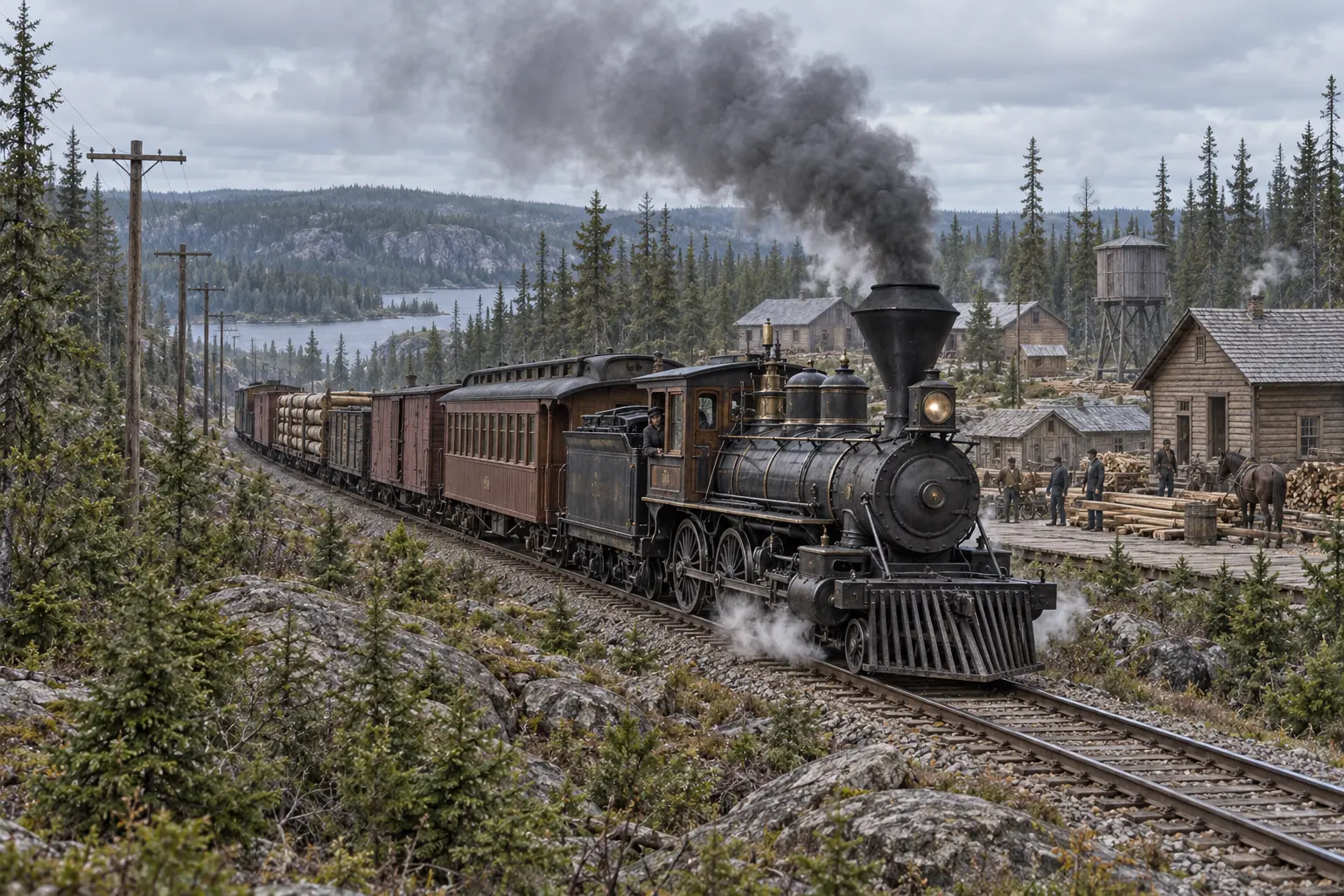
Chapleau began to grow quickly after the Canadian Pacific Railway chose it as a divisional point in 1885. Railway buildings came first, followed by homes, stores, hotels and services for workers and travellers. Construction had to meet northern conditions. Builders needed strong roofs, reliable heat and materials that could survive long winters.
The railway brought lumber, hardware, glass and other supplies that would have been hard to move by canoe. Local timber also provided building material. The early settlement grew close to the tracks because that was where people worked and where goods arrived. Streets and lots slowly gave the place a more settled layout.
A Township Is Created
Chapleau was incorporated as a township in 1901. Incorporation gave residents a local council and a way to manage roads, public works, taxes and other shared needs. A growing town required decisions about fire protection, water, waste, policing and public buildings. These services did not appear all at once. They grew as the population and tax base allowed.
Local government also gave residents a public place to debate spending and rules. Northern distance often made local action necessary. Help from a larger centre might take time to arrive. Chapleau residents raised funds, volunteered and pressed provincial or federal officials when major work was needed.
Models of local landmarks
Homes Shops and Hotels
Railway families built or rented homes near their work. Some houses were small and plain, while senior railway staff and business owners could afford larger places. Wood heat was common. Families stored food and fuel for winter. Gardens helped in summer, though the growing season was short. Wells and later town services changed household work.
Shops supplied food, clothing, tools and household goods. Hotels served rail passengers, salespeople and bush workers between jobs. Cafes and dining rooms became meeting places. A main street in a small northern town did many jobs at once. It was a shopping area, a place to hear news and a setting for parades, public events and daily conversation.
Schools Churches and Care
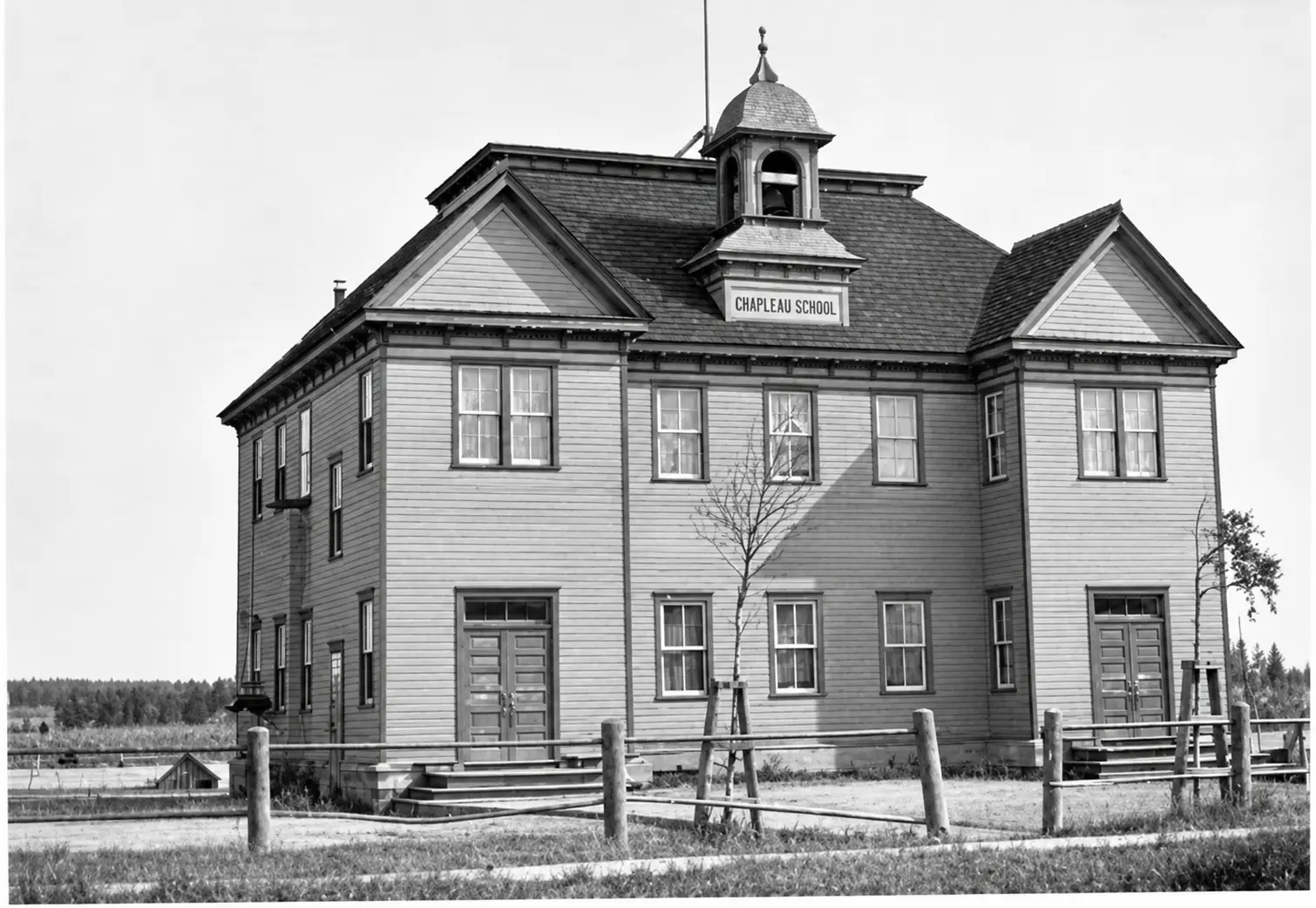
As families settled, they needed schools. French and English language education became part of local life, along with public and Roman Catholic school systems. School buildings often served wider uses, such as meetings, concerts and sports. Teachers carried a large duty because books and outside learning resources could be limited.
Churches were also gathering places. They marked births, marriages and deaths and helped new residents meet others. Hospitals, nursing care and doctors were vital in a town far from larger centres. Local fundraising and volunteer work often supported services that residents could not take for granted.
Fire Flood and Winter
Wood buildings, stoves and railway sparks made fire a serious danger. A fire could spread quickly when water and equipment were limited. Volunteer firefighters became an essential part of town safety. Flooding, heavy snow and deep cold created other problems. Roads and rail switches had to be cleared, roofs watched and fuel kept on hand.
These risks affected how the town was built. Better equipment, building rules and public water service reduced some dangers over time. Yet severe weather still tests northern services. Chapleau's buildings and public works tell a story of people learning what their location required and improving the town one project at a time.
Places That Hold Memory
Historic buildings matter because they show how earlier residents lived and worked. A station area, an old storefront or a place of worship can hold many local stories. Even when a building changes use, its shape and location may show how the town once worked. Old photographs are useful because they record buildings that no longer stand.
The Chapleau Centennial Museum opened in 1967 as a local project. Donated materials, money and volunteer work helped make it possible. Its displays and the steam locomotive outside keep railway, forestry and family stories in public view. Together with local archives and private photo albums, the museum helps each generation see that the town was built by many hands.
Recreation and Public Space
A town needs more than work sites and houses. Residents created rinks, ball fields, halls, parks and clubs where people could spend time together. Hockey and curling helped make winter social. Summer events brought families outside after months of cold. Music, school concerts and community suppers gave people a reason to gather.
Many of these places began through volunteer labour and local fundraising. Residents donated lumber, food, money or time. Such projects could take years, but they gave the town services that a small municipal budget could not easily provide. The history of Chapleau's public spaces is also a history of residents deciding that northern distance should not mean going without.
A town takes shape around its work
Early buildings did more than mark a street. A school showed that families expected to stay; a store connected a household to food and supplies; a station connected the settlement to distant places. Churches, clubs and meeting places gave neighbours ways to organize life beyond a work shift. Looking at old street photographs can show which services arrived first and which corners changed later.
The Chapleau Centennial Museum gives visitors a way to follow some of those changes. Its collections include photographs, maps and objects from local life, while models show buildings and railway sites that may look different today. A museum visit is a starting point, not the whole record. Family photographs, community newspapers and First Nation accounts can add names and viewpoints that a street scene alone does not preserve.
Local references: Township museum and local landmarks.