
The Line Reaches Chapleau
The Canadian Pacific Railway pushed through the Chapleau area in 1885 as part of its line across Canada. Building a railway through Northern Ontario was a hard job. Crews cut trees, moved rock, filled low ground and built bridges through a region with few roads. Supplies had to move along the unfinished line or by water. Workers faced cold, insects, injuries and long days.
The company chose Chapleau as a divisional point. A divisional point was a base where railway crews and engines could be changed or serviced. Offices, yards and repair work followed. This decision turned a spot on the line into a permanent settlement. Railway work drew people who needed homes, meals, shops, schools and places of worship.
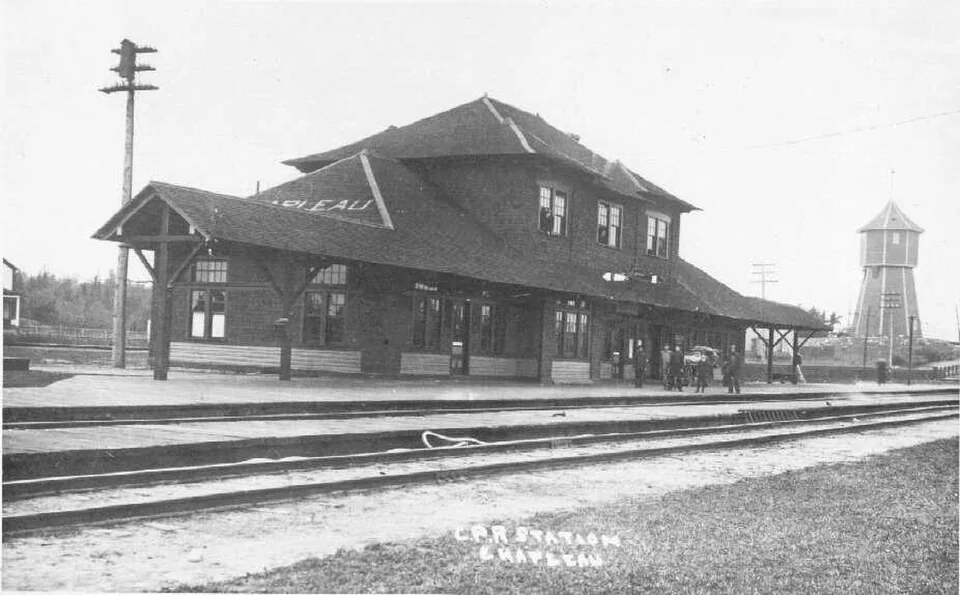
A Town Beside the Tracks
Early Chapleau grew close to the rail yards and station. The tracks were the town's main link with the rest of Canada. Trains brought mail, food, building supplies, newspapers and new residents. They carried out lumber, furs and other goods. Before a road connection reached town, the railway was the usual way for most people to enter or leave.
The station was a busy public place. Passengers waited for trains, families greeted relatives and workers reported for duty. Hotels and stores served people passing through. News often arrived with the train. A delay could affect mail, food and business. The railway clock mattered because every part of the system had to run on a shared time.
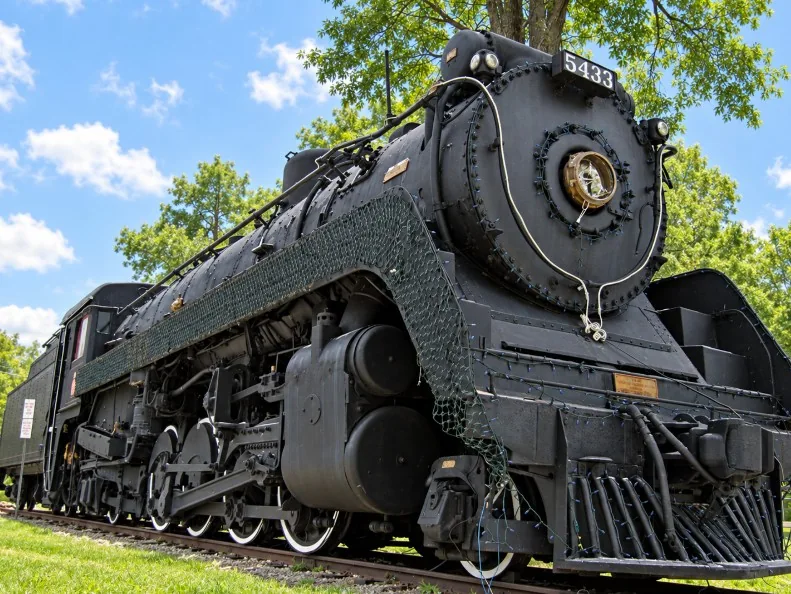
Engine 5433 at the museum
Railway Work
A railway needed many kinds of workers. Engineers and firemen operated locomotives. Conductors and brakemen managed trains. Yard workers moved cars into the right order. Section crews inspected and repaired tracks. Telegraph operators sent messages. Clerks kept records, while mechanics repaired engines and equipment. Each job carried its own skills and risks.
Steam locomotives demanded constant care. They needed coal, water, cleaning and repairs. Crews worked around heat, smoke, heavy machinery and moving cars. Winter made every task harder. Snow could block switches and ice could damage equipment. When diesel engines replaced steam power, some jobs disappeared and others changed. The railway remained important, but it needed fewer workers than before.
Railway Families
The railway shaped family life as much as paid work. Shifts could begin at any hour. A crew might be called when a train was ready, not when a regular workday began. Families planned meals, sleep and child care around changing schedules. Workers sometimes spent nights away from home. A serious accident affected the whole town because railway families knew one another.
Jobs often passed through families. A son might follow a father or uncle into rail work. New workers learned from older hands, both through company rules and through lessons shared on the job. The pay offered some security, but strikes, layoffs and changes in railway service could quickly reach local homes and businesses.
A monument for railroaders
Passenger Travel and Change
Passenger trains once played a larger role in northern life. They carried students, patients, salespeople, sports teams and families. A trip that is now made by car began at the station. Dining cars, sleeping cars and baggage service made long journeys possible. For people in smaller trackside places, the train could be their only regular link to a larger centre.
Roads and cars slowly changed travel. Highway 129 reached Chapleau after the Second World War, giving the town a road link to the south. Air travel and trucking also took part of the railway's old role. Passenger service declined, while freight remained central. The town had to adjust as fewer railway workers were needed and more travel shifted to roads.
Rail Memory in Chapleau
Chapleau still carries the marks of its railway past. The main line remains active, and trains continue to pass through. Street patterns, older buildings and family names recall generations of rail work. The large steam locomotive displayed near the Chapleau Centennial Museum gives visitors a sense of the size and weight of the machines that once powered the town's daily life.
The railway did more than create jobs. It placed Chapleau on a national route and shaped how the town grew. It also crossed Indigenous lands and brought outside settlement and government control more quickly into the region. Both truths belong in the story. Chapleau became a railway town, but the land and its First Peoples were here long before the first steel rail arrived.
Telegraph Time and Safety
Railways needed fast messages as well as steel tracks. Telegraph operators sent train orders and other news along wires beside the line. These messages helped keep trains apart on single track sections. Staff had to copy orders correctly because one wrong word or number could cause a deadly mistake. Railway time and written rules became part of daily work.
Safety improved as signals, brakes, radios and track equipment improved. Still, rail work remained dangerous. Crews worked around moving cars, heavy tools and extreme weather. Local memorials, newspaper reports and family stories often carry the names of workers hurt or killed on the job. Remembering them is part of telling the railway story honestly.
Why a divisional point mattered
A divisional point was a working stop on a much longer railway. Trains needed crews, equipment checks and supplies. A permanent workforce needed homes, shops and public services. As a result, the decision to place railway work at Chapleau shaped the streets and daily routines of the settlement, not just the track running through it.
The 1911 station photograph gives that history a human scale: a platform, tracks, a few people and a water tank are visible at once. It records a town using rail travel while building services for its own residents. The later steam engine displayed at Centennial Park belongs to another moment in that railway story. Visitors can compare the working station in the older photograph with the preserved locomotive seen near the museum today.
Local references: Township museum and railway exhibit.